
GHK-Cu 100mg – Copper Peptide Research Compound
$50.00
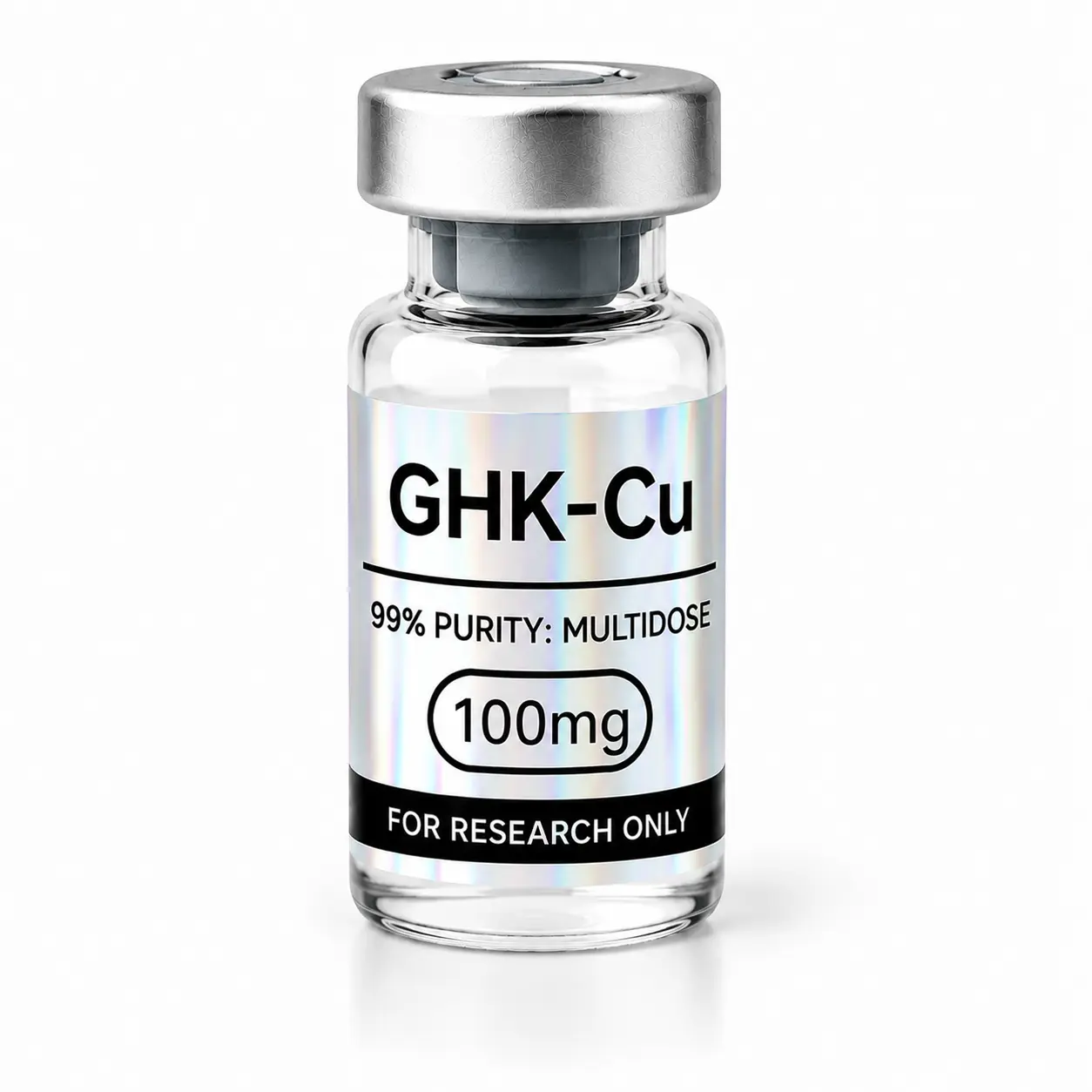
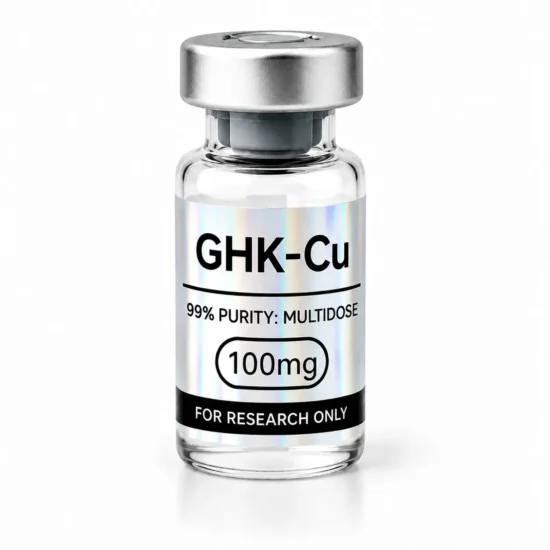
GHK-Cu 100mg is a high-purity copper peptide research compound supplied as a blue to blue-green lyophilized powder in a sterile multidose vial. GHK-Cu is studied in laboratory research involving extracellular matrix biology, collagen and elastin pathways, cellular signaling, skin biology, wound-healing mechanisms, hair follicle biology, and copper peptide research. With ≥99% purity and refrigerated storage at 2°C–8°C, this research-grade compound is designed for controlled laboratory and molecular research.
For Research Use Only. Not for human or veterinary use.
In stock (can be backordered)
GHK-Cu 100mg is a research-grade copper peptide compound containing Glycyl-L-Histidyl-L-Lysine Copper at a stated purity of ≥99%. It is supplied as a blue to blue-green lyophilized powder in a sterile multidose vial and is intended exclusively for laboratory research.
GHK-Cu is a copper-binding tripeptide that has attracted scientific interest across several areas of molecular and cellular biology. Research involving GHK-Cu has examined extracellular matrix biology, cellular signaling, collagen-related pathways, tissue-remodeling mechanisms, inflammatory signaling, and other biological processes. Recent literature continues to investigate its biological activity in preclinical and translational research models.
For Research Use Only. Not for human or veterinary use.
Product Specifications
| Specification | Details |
|---|---|
| Product | GHK-Cu (Glycyl-L-Histidyl-L-Lysine Copper) |
| Strength | 100mg |
| Purity | ≥99% |
| Format | Sterile Multidose Vial |
| Grade | Research Grade |
| Appearance | Blue to blue-green lyophilized powder |
| Storage | 2°C–8°C |
| Light Protection | Protect from light |
| Moisture Protection | Protect from moisture |
| Intended Use | Laboratory and scientific research only |
What Is GHK-Cu?
GHK-Cu refers to a copper-associated form of the tripeptide Glycyl-L-Histidyl-L-Lysine. The GHK peptide contains three amino acids—glycine, histidine, and lysine—and can interact with copper ions, forming the copper peptide complex commonly referred to as GHK-Cu.
Because copper is involved in numerous enzymatic and biochemical processes, GHK-Cu has been investigated as part of research into cellular communication, extracellular matrix biology, tissue organization, and other molecular pathways.
Research literature has explored GHK-Cu in relation to extracellular matrix components and cellular responses. A recent systematic review examining GHK-Cu research reported preclinical findings involving extracellular-matrix synthesis, including collagen and glycosaminoglycan pathways, as well as cellular and inflammatory signaling. The authors also noted methodological variability and the need for additional controlled research.
GHK-Cu 100mg Research Applications
GHK-Cu 100mg may be used as a research material in laboratory investigations involving:
Skin Biology Research
GHK-Cu is frequently investigated within skin-biology research models. Studies may examine interactions between copper peptides, extracellular matrix components, cellular signaling, and biological processes associated with skin structure.
Extracellular Matrix Research
The extracellular matrix is a complex network of proteins and other molecules that provides structural and biochemical support to cells. GHK-Cu has been investigated in research involving extracellular matrix components, including collagen-related pathways and glycosaminoglycan biology.
Collagen and Elastin Research
Collagen and elastin are important structural proteins within connective tissues. Laboratory research involving GHK-Cu may investigate molecular pathways associated with extracellular matrix organization, collagen biology, and related cellular processes.
Cellular Signaling Research
GHK-Cu is also studied in molecular and cellular research examining signaling pathways. These studies can involve interactions between peptide compounds, cellular responses, gene-expression pathways, and biochemical signaling mechanisms.
Regenerative Biology Research
Research involving GHK-Cu includes preclinical investigations into cellular processes associated with tissue organization and regeneration. These studies are useful for understanding biological mechanisms rather than establishing clinical treatment outcomes.
Wound-Healing Mechanism Research
GHK-Cu has been examined in experimental research related to biological processes involved in tissue repair and wound-healing mechanisms. Such research can include cellular migration, extracellular matrix activity, signaling pathways, and tissue-model responses.
Hair Follicle Biology
GHK-Cu is also of scientific interest in research involving hair follicle biology and cellular signaling. Laboratory investigations can explore interactions between peptide signaling, follicular cells, extracellular matrix components, and related molecular pathways.
Copper Peptide Research
As a copper-associated peptide, GHK-Cu provides a useful research material for studying peptide–metal interactions and biological pathways involving copper-dependent processes.
Research Literature
GHK-Cu continues to appear in scientific literature examining cellular, extracellular-matrix, and regenerative biology. Recent review literature has evaluated both preclinical and limited clinical research and reported biological findings involving extracellular matrix synthesis, metalloproteinase activity, cellular proliferation, angiogenesis, and inflammatory signaling. However, the available literature varies in methodology and research design, so findings should be interpreted according to the specific experimental model and study limitations.
Researchers interested in the broader scientific literature can review recent GHK-Cu research literature through PubMed.
Research-Grade Features
GHK-Cu 100mg is supplied with specifications intended to support laboratory research workflows:
- ≥99% stated purity
- Research-grade material
- 100mg strength
- Sterile multidose vial
- Blue to blue-green lyophilized appearance
- Controlled refrigerated storage
- Protection from light and moisture
- Suitable for molecular, biochemical, and cellular research
- Consistent product specifications for laboratory applications
Storage and Handling
GHK-Cu 100mg is supplied as a lyophilized powder and should be stored refrigerated at 2°C–8°C, protected from light and moisture.
Researchers should follow their laboratory’s established procedures for storage, documentation, handling, and material control. Product handling should be performed according to applicable institutional laboratory protocols and relevant regulations.
Canadian Research and Regulatory Considerations
Research materials involving peptides require careful consideration of applicable Canadian regulatory requirements. Health Canada has specifically identified GHK-Cu among unauthorized injectable peptide products in its public advisories. Health Canada has also emphasized that “For Research Use Only” labeling does not by itself make an unauthorized drug product legal or exempt from regulatory requirements in Canada.
For current regulatory information, researchers should consult Health Canada and applicable federal, provincial, and institutional requirements before acquiring or working with peptide-related materials.
Related Research Compounds
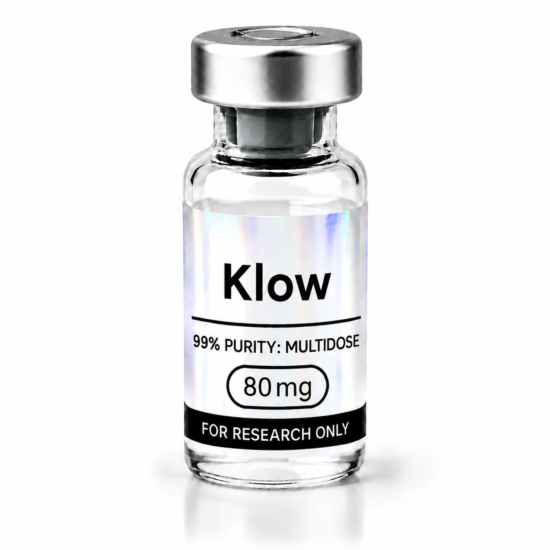
Researchers exploring copper peptide and cellular-signaling research may also be interested in the KLOW peptide blend, which contains multiple research peptides for laboratory investigation of different biological pathways.
Research Use Disclaimer
For Research Use Only.
GHK-Cu 100mg is intended exclusively for laboratory research and scientific investigation. It is not intended for human or veterinary use, consumption, injection, diagnosis, treatment, cure, prevention of disease, cosmetic application, or therapeutic use.
The purchaser is responsible for determining whether the acquisition, possession, storage, and use of this research material complies with all applicable federal, provincial, territorial, and local laws, regulations, institutional requirements, and laboratory safety procedures.
Reviews
There are no reviews yet.