
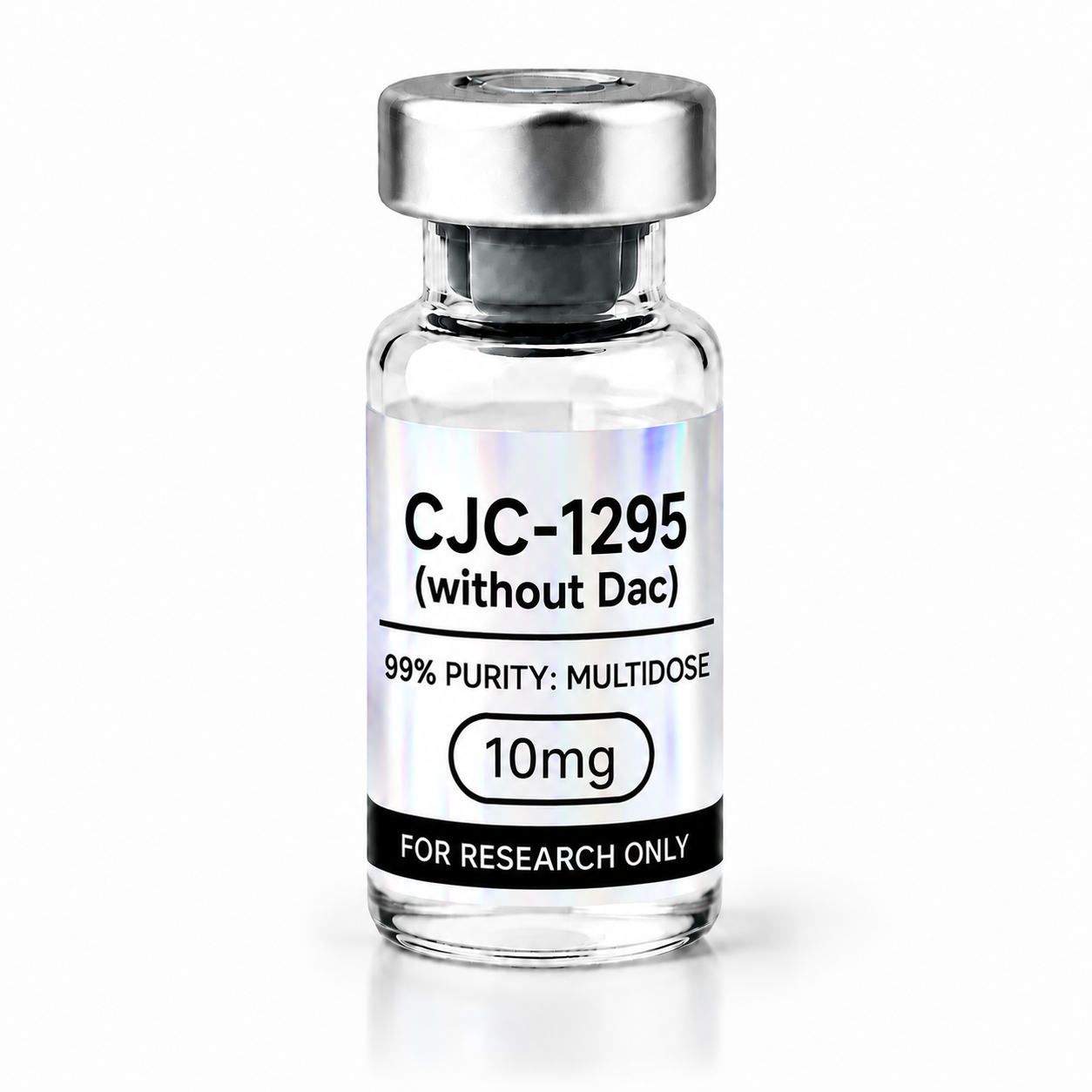
CJC-1295 without DAC 10mg – Mod GRF 1-29 Research Peptide
$80.00
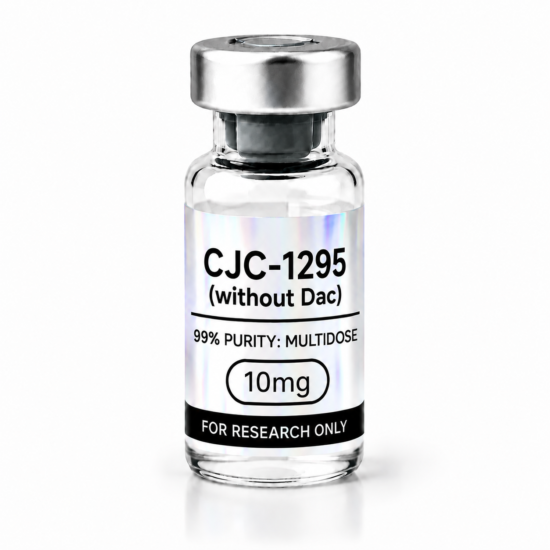
CJC-1295 without DAC 10mg is a high-purity research peptide supplied as lyophilized powder in a sterile multidose vial with a stated purity of ≥99%. Also commonly identified in research-product literature as Mod GRF 1-29 or Modified GRF(1-29), this peptide is studied within laboratory research involving GHRH-related signaling, peptide-receptor interactions, endocrine pathways, growth hormone biology, and cellular physiology.
The 10mg research-grade formulation is intended for qualified laboratory and analytical research where defined material specifications and consistent purity are important.
For Research Use Only. Not for human or veterinary use.
In stock
CJC-1295 without DAC 10mg is a research-grade peptide supplied as a lyophilized powder in a sterile multidose vial with a stated purity of ≥99%. It is commonly associated in research-product literature with the designation Mod GRF 1-29 or Modified GRF(1-29) and is studied within the broader field of growth hormone-releasing hormone (GHRH), peptide-receptor, and endocrine signaling research.
Research involving CJC-1295-related compounds has examined interactions with GHRH-associated pathways and the growth hormone axis. Published literature describes CJC-1295 as a modified GHRH-related analogue, while contemporary scientific reviews distinguish CJC-1295 with DAC from CJC-1295 without DAC as separate research compounds.
For Research Use Only. Not for human or veterinary use.
Product Specifications
| Specification | Details |
|---|---|
| Peptide | CJC-1295 without DAC |
| Common Research Name | Mod GRF 1-29 / Modified GRF(1-29) |
| Strength | 10mg |
| Purity | ≥99% |
| Format | Lyophilized Powder |
| Grade | Research Grade |
| Packaging | Sterile Multidose Vial |
| Storage | 2°C–8°C |
| Protection | Protect from heat, moisture, and direct sunlight |
| Intended Use | Laboratory and analytical research only |
What Is CJC-1295 without DAC?
CJC-1295 without DAC is commonly described in research-product literature as a modified GHRH-related peptide and is frequently associated with the name Mod GRF 1-29.
The “without DAC” designation is used to distinguish this research material from CJC-1295 formulations containing the Drug Affinity Complex (DAC). These designations should not automatically be treated as interchangeable. For experimental reproducibility, researchers should rely on the material’s analytical documentation, identity information, and available Certificate of Analysis rather than product nomenclature alone.
The broader CJC-1295 research field originates from work on modified human growth hormone-releasing factor (hGRF/GHRH) analogues. Early research identified CJC-1295 as a modified hGRF(1-29)-related compound with activity at the growth hormone-releasing factor receptor in experimental models.
More recent scientific literature continues to identify both CJC-1295 with DAC and CJC-1295 without DAC within the wider group of GHRH-related peptides studied in connection with the GH–IGF-1 axis.
CJC-1295 without DAC Research Applications
CJC-1295 without DAC 10mg may be relevant to controlled laboratory investigations involving several areas of peptide and endocrine biology.
GHRH Signaling Research
Growth hormone-releasing hormone signaling is an important area of endocrine research. Experimental models may examine interactions between GHRH-related peptides and their receptors, downstream cellular signaling, and the biological pathways associated with endocrine regulation.
CJC-1295-related compounds have been investigated within this broader research field, providing a basis for continued laboratory investigation of GHRH receptor biology and peptide signaling.
Endocrine Pathway Research
The GHRH pathway forms part of the endocrine signaling network associated with regulation of growth hormone secretion. Researchers can use relevant peptide materials in controlled experimental models to study receptor interactions, signaling mechanisms, and relationships between endocrine pathways.
Growth Hormone Biology
CJC-1295-related compounds are studied in the context of growth hormone-releasing hormone and the somatotropic axis. Research may investigate molecular interactions, receptor activation, downstream signaling, and endocrine responses.
Importantly, findings from one CJC-1295 formulation should not automatically be attributed to another formulation. The presence or absence of DAC is a relevant distinction when interpreting scientific literature.
Peptide-Receptor Interaction Research
CJC-1295 without DAC can also be incorporated into research involving peptide-receptor interactions. Such investigations may examine receptor-mediated signaling, ligand activity, cellular responses, and molecular mechanisms associated with GHRH-related peptides.
Cellular Physiology Research
Endocrine signaling can influence multiple cellular pathways. Laboratory research may therefore examine relationships between GHRH-related peptide signaling and cellular physiology under defined experimental conditions.
Molecular and Biochemical Research
The compound may also be relevant to molecular and biochemical investigations involving peptide structure, receptor interactions, analytical identification, and signaling pathways.
CJC-1295 without DAC vs. CJC-1295 with DAC
The distinction between CJC-1295 without DAC and CJC-1295 containing DAC is particularly important for research documentation.
DAC refers to a Drug Affinity Complex associated with certain CJC-1295 constructs. Published research on the original CJC-1295 molecule describes modifications designed to increase stability and extend its circulation characteristics.
By contrast, research-product literature commonly uses CJC-1295 without DAC and Mod GRF 1-29 to identify a shorter-acting GHRH-related research material.
Because commercial naming can vary, researchers comparing products should examine the stated molecular identity, analytical documentation, purity information, and batch-specific Certificate of Analysis where available.
This is especially important when comparing research results across different CJC-1295 formulations.
Mod GRF 1-29 Research Context
The term Mod GRF 1-29 is frequently used alongside CJC-1295 without DAC 10mg in research-product catalogues.
The terminology reflects the relationship between the compound and the first 29 amino-acid residues of growth hormone-releasing hormone. Research on GRF(1-29) analogues has investigated structural characteristics, receptor interactions, and biological activity in experimental models.
However, researchers should distinguish the native GHRH/GRF sequence from modified analogues and should not assume that all compounds described using “GRF 1-29” terminology have identical molecular structures.
For reproducible research, product identity should therefore be established through appropriate analytical documentation rather than name matching alone.
Research-Grade Quality
This CJC-1295 without DAC 10mg research compound is supplied with a stated purity of ≥99%.
The material is presented as a lyophilized research peptide in a sterile multidose vial. Defined product specifications can assist laboratories in maintaining consistent documentation across experimental materials.
Researchers should review available batch-specific documentation and Certificate of Analysis information where applicable before incorporating a research compound into an experimental workflow.
Product Features
- 10mg research-grade formulation
- ≥99% stated purity
- Lyophilized powder format
- Sterile multidose vial
- Refrigerated storage at 2°C–8°C
- Protection from heat, moisture, and direct sunlight
- Suitable for laboratory, analytical, molecular, and biochemical research
- Defined product specifications for research documentation
Storage
Store CJC-1295 without DAC 10mg under refrigerated conditions at 2°C–8°C.
The sealed product should be protected from:
- Heat
- Moisture
- Direct sunlight
- Excessive environmental exposure
Laboratories should follow their established procedures for research-material storage, documentation, environmental control, and handling.
Scientific Literature
The scientific literature surrounding CJC-1295 and related GHRH analogues includes experimental studies examining peptide structure, receptor activity, pharmacological characteristics, and endocrine signaling.
An early PubMed-indexed study identified CJC-1295 as a modified hGRF(1-29)-related analogue and investigated its interaction with growth hormone-releasing factor pathways in experimental models.
A 2026 review of peptides affecting the GH–IGF-1 axis also specifically discusses both CJC-1295 with DAC and CJC-1295 without DAC within the broader research landscape, while emphasizing uncertainty associated with unregulated peptide products.
Researchers can consult PubMed and other peer-reviewed scientific databases when evaluating literature relevant to CJC-1295, GHRH signaling, and related peptide research.
CJC-1295 without DAC 10mg Research in Canada
BioMatrix Compounds supplies this material strictly as a research-use compound.
Canadian regulatory requirements should be independently reviewed by laboratories and institutions according to the intended research activity. Health Canada currently lists CJC-1295 among examples of unauthorized injectable peptide drugs and advises Canadians against purchasing or using unauthorized injectable peptide products.
The regulatory status of a research material should therefore be evaluated independently rather than inferred solely from its “research use only” labeling.
For current Canadian regulatory information, researchers should consult Health Canada and applicable federal, provincial, institutional, and laboratory requirements.
Related Research Peptides
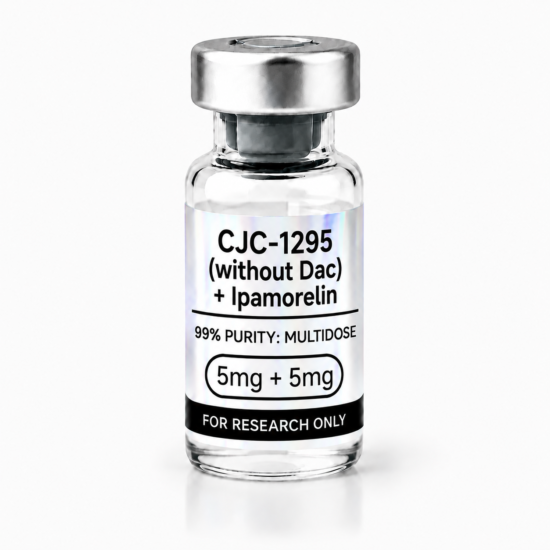
Researchers investigating GHRH-related peptide signaling may also explore the CJC-1295 without DAC + Ipamorelin research formulation available in the BioMatrix Compounds catalogue.
The combination contains CJC-1295 without DAC and Ipamorelin as separate research peptides, providing a distinct formulation for laboratory research.
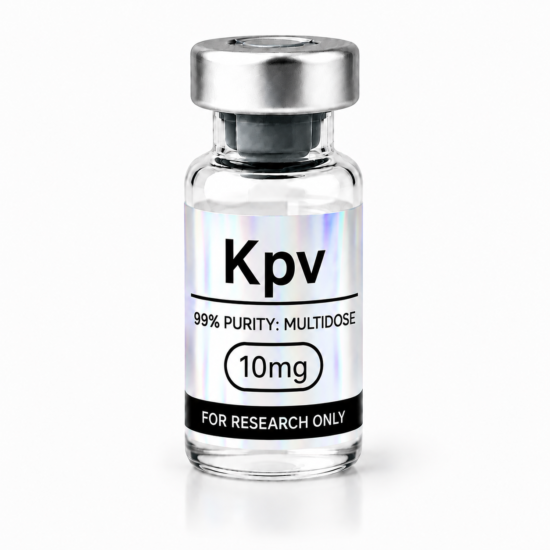
Researchers investigating other peptide-signaling pathways may also explore the KPV 10mg research peptide, which represents a different research context involving peptide biology and cellular signaling.
Research Use Only
For Research Use Only.
CJC-1295 without DAC 10mg is intended exclusively for laboratory research and analytical purposes. It is not intended for human or veterinary use.
This product is not intended for consumption, diagnosis, treatment, cure, or prevention of any disease or medical condition. Information on this page is provided for research and educational context only and should not be interpreted as medical advice, therapeutic guidance, dosage guidance, administration instructions, or a recommendation for personal use.
Researchers and purchasers are responsible for determining whether this research material is appropriate for their intended laboratory application and for complying with all applicable federal, provincial, institutional, and laboratory requirements.
Reviews
There are no reviews yet.