
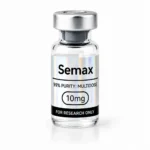

Semax 10mg – Neurobiology Research Peptide
$50.00
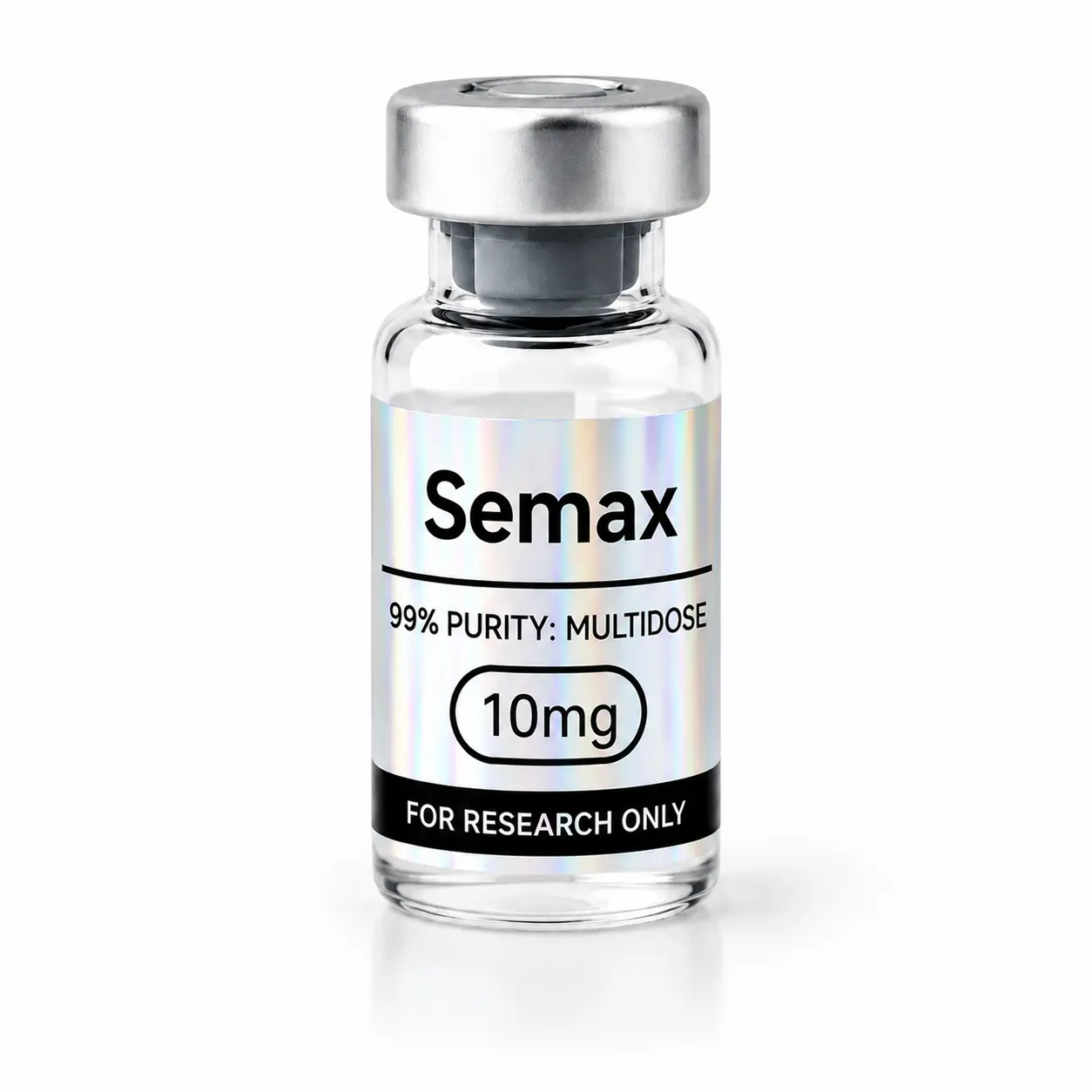
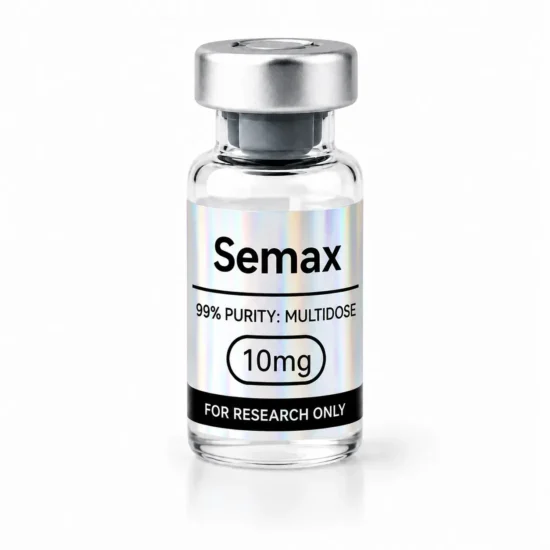
Semax 10mg is a high-purity synthetic research peptide related to the N-terminal ACTH(4–10) sequence, supplied as a white to off-white lyophilized powder in a sterile multidose vial. Semax is studied in laboratory research involving neurotrophic signaling, neurobiology, neurotransmitter pathways, learning and memory models, central nervous system research, and peptide pharmacology. Research use only; not for human or veterinary use.
In stock (can be backordered)
Semax 10mg is a high-purity synthetic research peptide associated with the N-terminal fragment of adrenocorticotropic hormone (ACTH). It is supplied as a white to off-white lyophilized powder in a sterile multidose vial with ≥99% stated purity.
Semax has been investigated extensively in experimental neuroscience and neurobiology. Scientific literature describes Semax as a heptapeptide related to the ACTH(4–10) fragment and has examined its effects on neurotrophin expression, neurotransmitter-related pathways, and other molecular mechanisms in experimental models.
This Semax research peptide is intended exclusively for controlled laboratory and scientific research.
Product Specifications
- Product: Semax
- Strength: 10mg
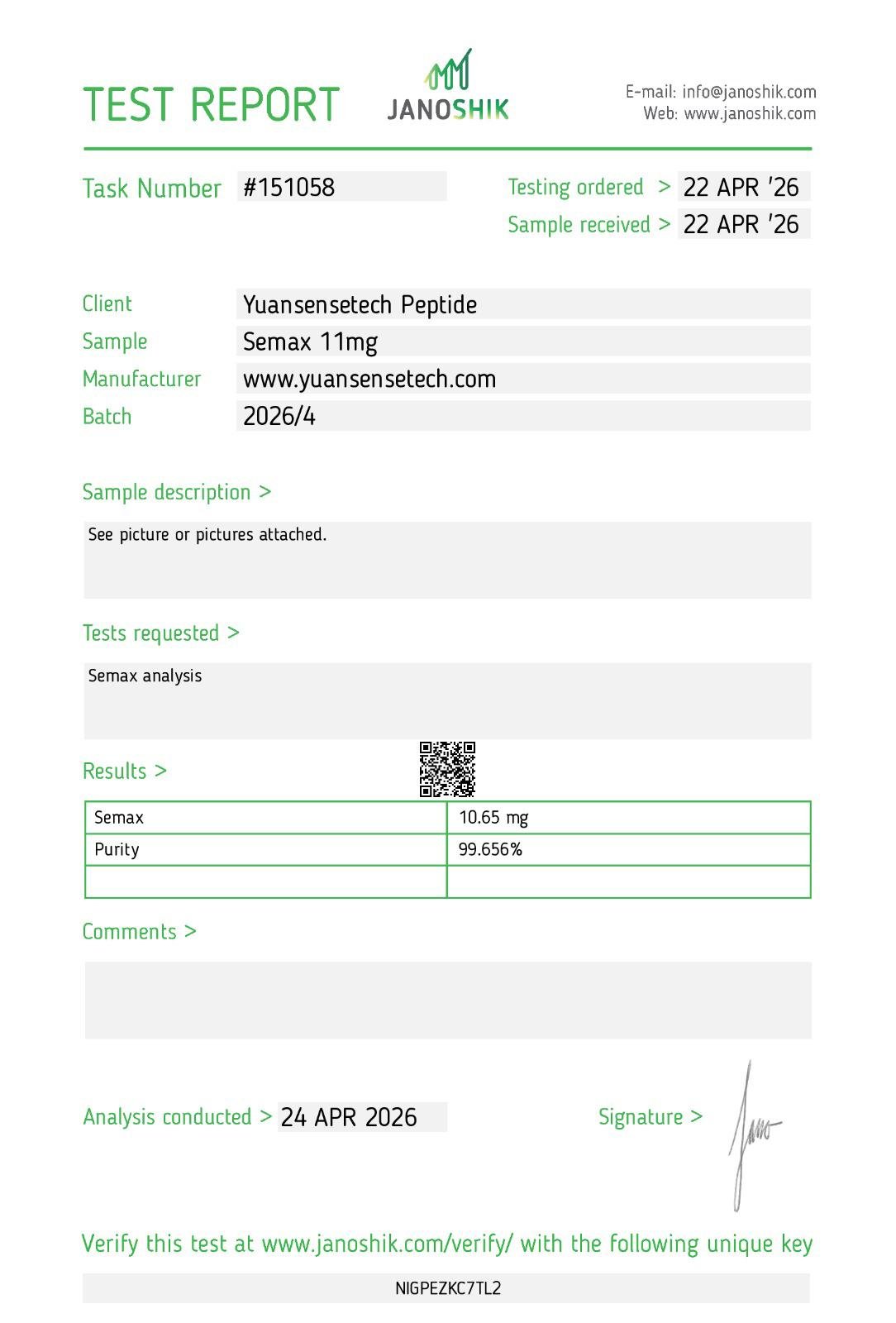
- Purity: ≥99%
- Format: Lyophilized powder
- Grade: Research Grade
- Appearance: White to off-white
- Packaging: Sterile multidose vial
- Storage: 2–8°C
- Intended Use: Laboratory research only
What Is Semax?
Semax is a synthetic heptapeptide commonly described in scientific literature as an analogue of the N-terminal ACTH(4–10) fragment. Its peptide sequence is Met-Glu-His-Phe-Pro-Gly-Pro.
Research has investigated Semax in relation to neurotrophic signaling and the expression of neurotrophin-related genes and proteins. For example, experimental work has examined Semax-associated changes in BDNF and NGF expression in rat brain and neuronal cell models.
These properties make Semax a relevant research material for laboratories investigating peptide signaling, neurobiology, and central nervous system pathways.
Semax 10mg Research Applications
Semax 10mg may be studied in controlled laboratory research involving:
Neurobiology Research
Semax is investigated as a peptide research model for examining molecular and cellular processes within the nervous system. Research can include studies of peptide signaling, neuronal pathways, and neurobiological mechanisms.
Neurotrophic Signaling
A major area of Semax research involves neurotrophin-related signaling. Experimental studies have investigated changes in genes and proteins associated with brain-derived neurotrophic factor (BDNF) and nerve growth factor (NGF) following exposure to Semax in experimental models.
Central Nervous System Research
Semax provides a research compound for investigating molecular pathways associated with the central nervous system. Experimental models have examined its relationship with neurotransmitter systems and neurotrophic signaling.
Learning and Memory Models
Scientific studies have investigated Semax in experimental learning and memory models. These studies provide a research context for examining relationships between peptide signaling, neurotrophin pathways, and behavioral endpoints in experimental organisms.
Neurotransmitter Signaling
Semax has also been studied in relation to dopaminergic and serotonergic systems. Experimental research in rodents has examined changes in neurotransmitter-related parameters following Semax exposure.
Peptide Pharmacology
As a synthetic peptide analogue, Semax can be used as a research model for investigating peptide structure, biological signaling, receptor-associated mechanisms, and pharmacological properties under controlled experimental conditions.
Molecular and Biochemical Research
Semax is relevant to molecular research involving gene expression, protein expression, signal transduction, neurotrophin pathways, and biochemical interactions.
Semax and Neurotrophic Research
One important area of Semax neurobiology research concerns neurotrophin signaling.
Published experimental research has investigated Semax-associated changes in BDNF and NGF gene expression. In one rat-brain study, Semax produced region- and gene-specific changes in neurotrophin gene expression, including BDNF and NGF.
Another study examined Semax and related peptide activity following experimental cerebral ischemia and reported changes in transcription involving neurotrophins and their receptors. These findings are experimental and model-specific, but they illustrate why Semax continues to appear in neuroscience and peptide-signaling research.
Research has also examined the relationship between Semax and BDNF/TrkB signaling in the rat hippocampus, providing additional experimental context for studies of neurotrophic pathways.
Research-Grade Product Features
This Semax 10mg research peptide is supplied with specifications designed for laboratory research:
- ≥99% stated purity
- Research-grade material
- White to off-white lyophilized powder
- Sterile multidose vial
- Refrigerated storage requirement
- Suitable for scientific and laboratory research
- Consistent product specification
Researchers should use their own validated laboratory procedures and institutional requirements when working with research compounds.
Storage
Store Semax 10mg refrigerated at 2–8°C.
Protect the product from direct light, excessive heat, and moisture. Keep the vial appropriately sealed under suitable laboratory storage conditions.
Laboratories should follow their established storage, handling, documentation, and quality-control procedures.
Scientific Research Context
The published literature on Semax spans neurobiology, neurotrophic signaling, neurotransmitter systems, and experimental models of neurological function.
Research has examined Semax-related effects on BDNF and NGF expression, neurotransmitter-associated pathways, and gene-expression profiles in experimental models.
Researchers interested in the scientific literature can consult PubMed research on Semax and neurotrophic signaling for peer-reviewed studies covering its molecular and experimental biology.
Canadian Research and Regulatory Context
Health Canada has previously identified Semax among unauthorized injectable peptide products seized and sold in Canada. Health Canada states that injectable peptide drugs are regulated as prescription drugs in Canada and warns that unauthorized products have not been assessed for safety, efficacy, or quality.
Health Canada’s current enforcement information also states that unauthorized injectable peptide products cannot be legally sold in Canada as authorized prescription drugs.
Accordingly, research purchasers should ensure that procurement, possession, handling, and laboratory activities comply with applicable Canadian laws and institutional requirements.
Related Research Products
Researchers working with peptide-based molecular and cellular research may also explore other research compounds available through BioMatrix Compounds.
For related products, consider linking to the MOTS-c 10mg research peptide or another relevant peptide research product within the BioMatrix catalog.
Research Use Only
For Research Use Only.
This product is intended exclusively for laboratory and scientific research purposes. Not for human or veterinary use.
This product is not intended to diagnose, treat, cure, or prevent any disease and should not be represented as a cognitive-enhancement, neurological, therapeutic, or performance product.
Researchers are responsible for following applicable laws, institutional requirements, laboratory safety procedures, and validated research protocols.
Reviews
There are no reviews yet.